THE PROS AND CONS OF HOME OWNERS ASSOCIATIONS

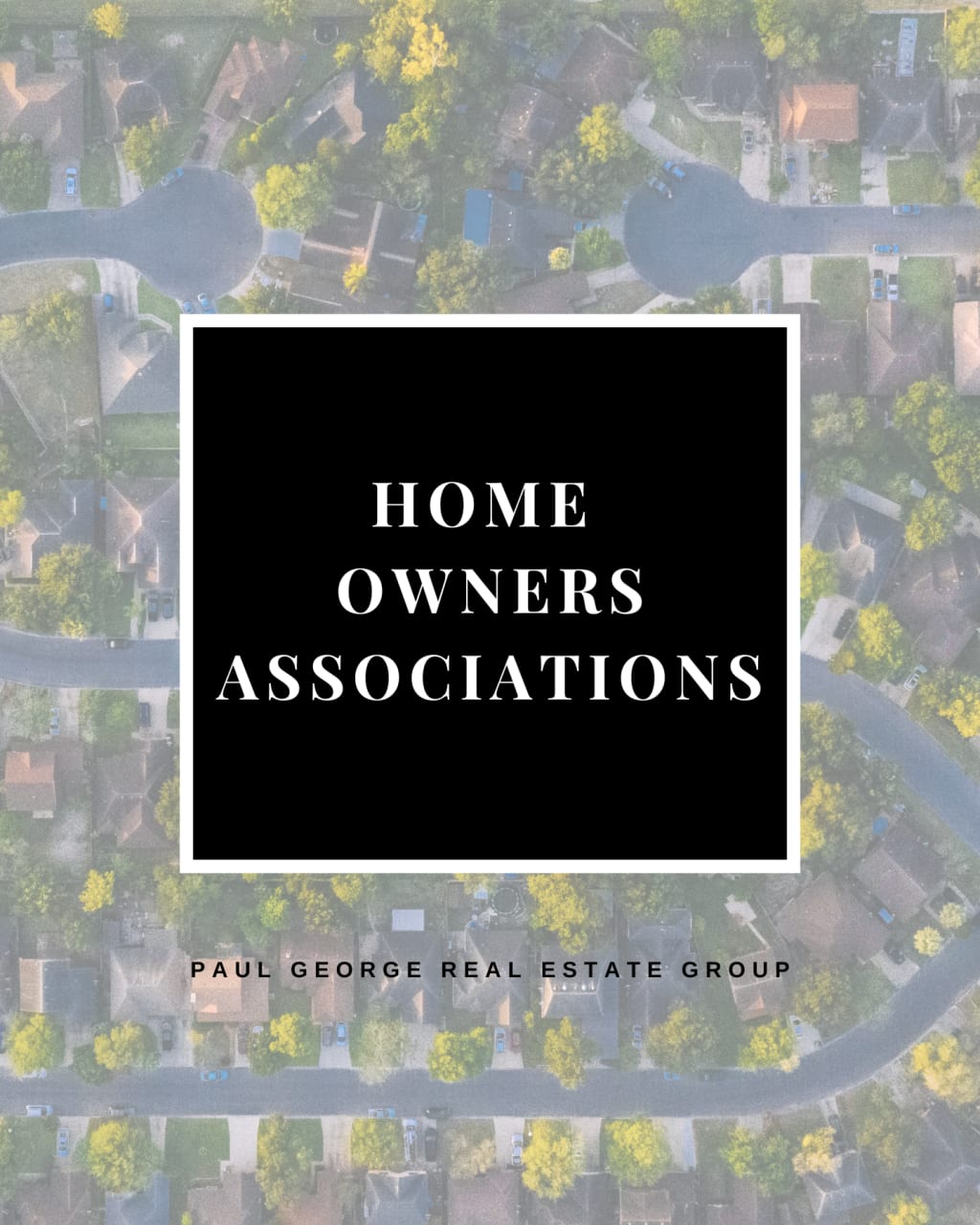
Homeowners Associations, we love them, we tolerate them, and sometimes we hate them. While an HOA may not be everyone's favorite topic, they play an important role in protecting the value of one of our biggest investments, our homes.
As a real estate agent, I've seen firsthand the difference between neighborhoods with active HOA oversight and those without. The difference is often noticeable. Like any organization, challenges arise when rules are interpreted too strictly, or when homeowners push the limits with the mindset of, "It's my property, and I can do what I want." Fortunately, most homeowners and HOAs coexist pretty well because everyone shares the same goal, protecting property values.
Highland Lakes is no different. If you've ever bought or sold a home here, you probably received a stack of legal documents, around 40 pages of Declarations, Covenants, Deed Restrictions, and other governing documents that, let's be honest, almost no one actually read.
What makes Highland Lakes unique is that there are 29 different sets of deed restrictions throughout the community. While they're about 99% the same, those small differences can create big challenges. Ever wonder why fencing is permitted in one section but not another? That's just one example. Making changes or creating consistency across the neighborhood requires approval from property owners in each individual section. After serving six years on the HOA board, I have a much greater appreciation for how complicated that process can be.
In real estate, I've also noticed that HOA dues have become a factor in buyers' decisions. For comparison, Highland Lakes' annual dues are $410. Medallion is $474, Wedgewood is $500, Jefferson is $425, Muirfield is based on home values, Pinnacle is $816 annually, so needless to say we have it pretty good here.
So, what does your $410 pay for?
It helps maintain our entrance signs, landscaping, fencing, walking paths, ponds, and common areas. The HOA owns 56 parcels of land that require mowing, insurance, tax filings, maintenance, and, in some cases, utilities. Trees must be managed to keep drainage areas functioning properly, street signs need repair and replacement, and entrances and monuments require ongoing upkeep. Much of this work happens behind the scenes, so it's easy to overlook everything that goes into maintaining our community.
The most difficult part of serving on the board was enforcement. It's often a thankless job, but it's necessary to preserve the standards that protect all of our property values. Most homeowners don't think much about the HOA until they receive a violation notice. Understandably, those letters can be frustrating, but consistency is important if the rules are going to mean anything.
My encouragement is simple: have a little empathy for the volunteers serving on the board. Better yet, consider getting involved yourself. If serving on the board isn't practical, join a committee, help with landscaping, attend community events, or organize a neighborhood activity. Every community benefits when more people contribute.
Constructive feedback is always valuable, but the greatest impact comes from those who are willing to roll up their sleeves and help make the neighborhood even better.