Property Tax Reform

One of the benefits of hosting a real estate radio show is getting to talk with guests about more than just buying and selling but also about how to maintain a home and make it affordable long-term.
Homeowners today move about once every ten years, so I know not everyone reading this is planning to move anytime soon. My goal is to help homeowners understand what it takes to maintain, and even increase, the value of their home. Of course, as your home’s value rises, so does its taxable value, which has become a growing burden for many homeowners, especially retirees when it comes to property taxes.
Recently, I hosted some guests who shared some really interesting insights. One of them was Brian Massie (Episode 129, just search The Paul George Real Estate Show on any podcast platform). Brian has launched a grassroots effort to abolish property taxes through a constitutional amendment (axohtax.com). Before you dismiss that idea as impossible, think again. I believe they’ll gather enough signatures, more than 400,000, to get it on the November 2026 ballot. And if voters are given the chance to abolish property taxes, I imagine a lot of people might say, “Heck yeah.” I asked Brian how the lost revenue would be replaced, and his response was simple: that’s not his job, it would be up to legislators to figure that out. For context, Ohio currently collects more in property taxes than it does in income and sales taxes combined, over $20 billion.
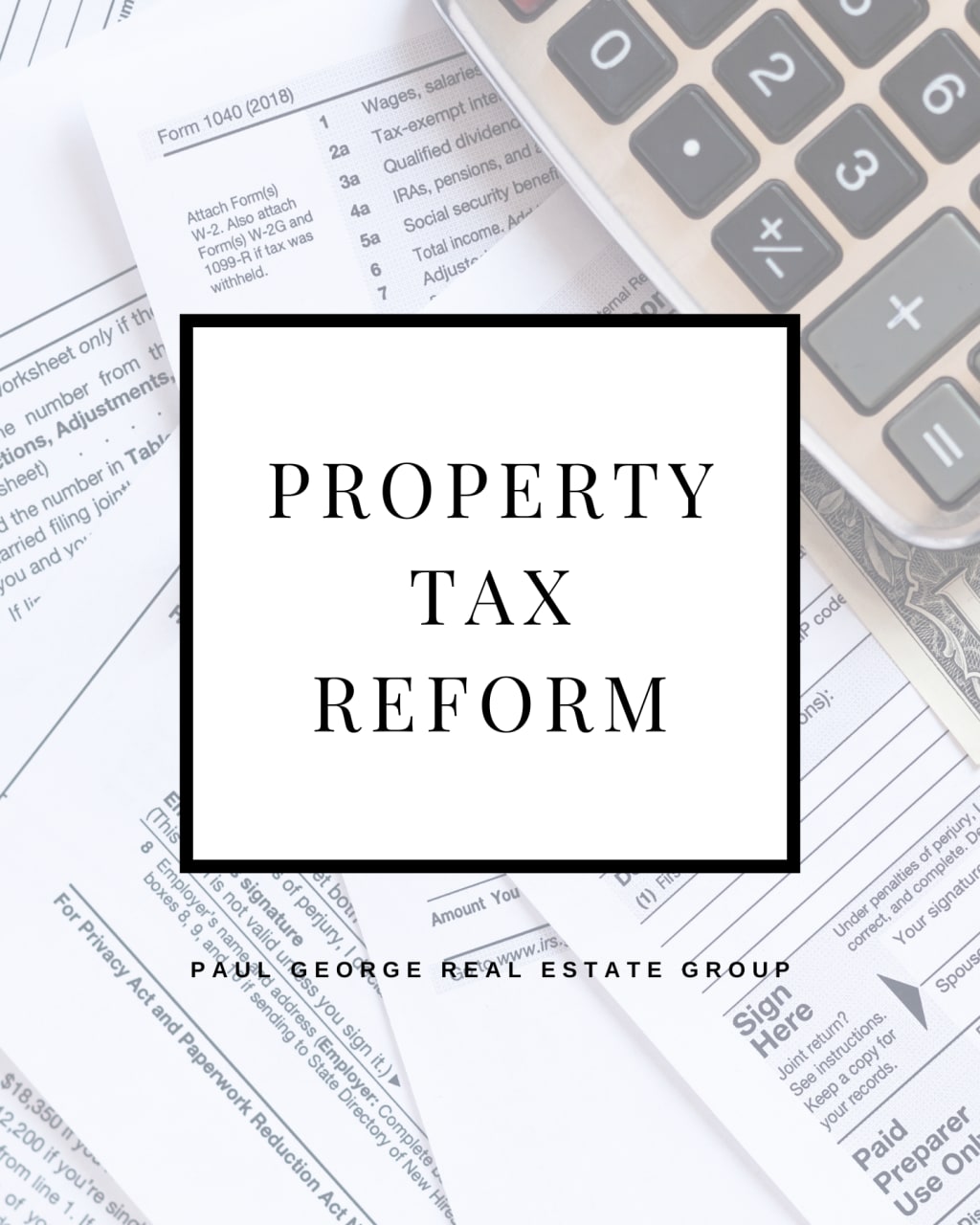
Home values keep climbing, driving up property taxes. Schools, cities, fire departments, roads, they all need funding, but it's tough when budgets spiral and spending isn't always easy to rein in. Many homeowners are "house rich but cash poor," especially those on fixed incomes who can't keep up with those rising bills. Last year, Governor DeWine signed into law bills that reform taxes. House Bills 186, 335, 129, 124, 309 will limit future increases in all economic times and may even reduce some homeowner’s taxes. The language is very complicated but at least they are recognizing the tax burdens on the homeowners. I do think they moved quickly on these items because of the “threat” of the possibility of totally abolishing property taxes with the proposed constitutional amendment
The next show is George Kaista, Delaware County Auditor (episode 130) who is in charge of figuring out how much you pay as mandated by mostly what voters have approved. One of his announcements is some property owners in Delaware County will actually receive an “inflation tax credit” in the second half of 2026. Big Walnut, Buckeye Valley, Delaware City Schools will receive the credit (Sorry Westerville & Olentangy).
Overall, it's progress, politicians are starting to recognize the property tax burden and reforms are starting to happen. Something is definitely better than nothing but, we've still got a ways to go to make things truly sustainable.